

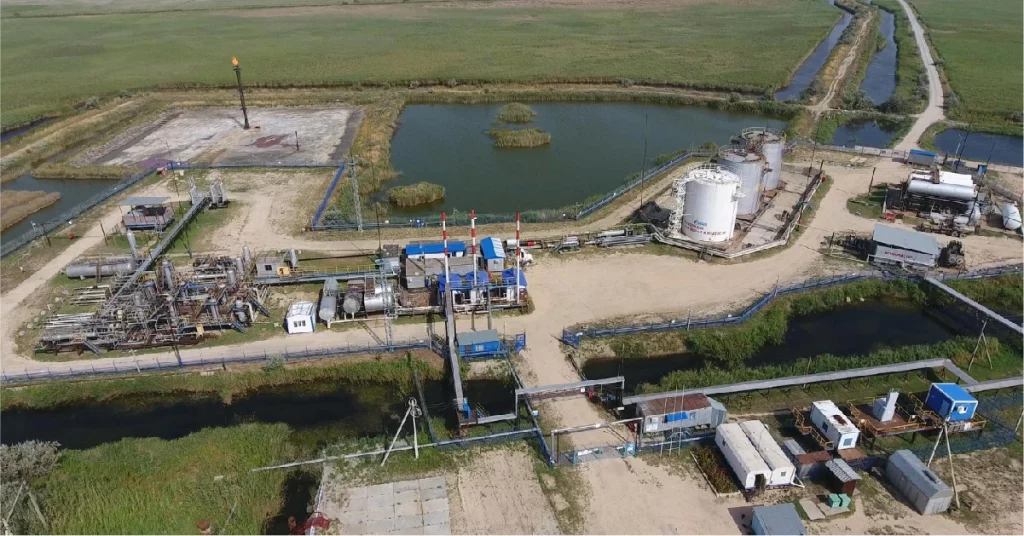
Rapid industrialization in Malaysia has increased the demand for efficient Effluent Treatment systems to manage industrial wastewater responsibly. Industries such as chemicals, palm oil processing, manufacturing, pharmaceuticals, and food processing generate large volumes of wastewater containing organic matter, chemicals, suspended solids, and dissolved contaminants. Implementing effective wastewater treatment and advanced wastewater treatment technologies is essential to ensure environmental compliance, resource conservation, and sustainable industrial growth.
Modern treatment systems are now designed not only to treat wastewater but also to enable Resource Recovery, allowing industries to recover valuable materials, reuse treated water, and reduce environmental impact.
Why Effluent Treatment is Important for Malaysian Industries?
Industrial effluents can contain pollutants that harm aquatic ecosystems, contaminate groundwater, and pose risks to public health if discharged untreated. In Malaysia, strict environmental regulations require industries to adopt reliable treatment solutions to minimize pollution and maintain compliance.
Effective effluent treatment helps industries:
- Reduce environmental pollution
- Meet regulatory discharge standards
- Recover valuable resources from wastewater
- Reduce freshwater consumption
- Improve operational sustainability
By combining advanced technologies with efficient treatment processes, industries can transform wastewater from a liability into a reusable resource.
Key Stages of Industrial Effluent Treatment
Industrial effluent treatment typically involves multiple stages designed to remove different types of contaminants.
1. Primary Treatment
Primary treatment focuses on removing large solids and suspended particles from wastewater.
Typical processes include:
- Screening
- Grit removal
- Sedimentation
- Oil and grease separation
This stage reduces suspended solids and prepares wastewater for further treatment.
2. Secondary Treatment with Aerobic Treatment Systems
Secondary treatment involves biological processes that degrade organic contaminants present in industrial wastewater.
An aerobic treatment system uses microorganisms that consume organic pollutants in the presence of oxygen. Common aerobic treatment technologies include:
- Activated sludge processes
- Aerated lagoons
- Sequencing batch reactors (SBR)
- Membrane bioreactors (MBR)
These systems significantly reduce biological oxygen demand (BOD) and chemical oxygen demand (COD), making wastewater suitable for advanced treatment stages.
3. Advanced Wastewater Treatment
After biological treatment, advanced wastewater treatment technologies are used to remove remaining dissolved contaminants and improve water quality.
These technologies may include:
- Ultrafiltration (UF)
- Reverse osmosis (RO)
- Nanofiltration (NF)
- Ion exchange systems
- Advanced oxidation processes
Membrane-based systems are particularly effective in polishing treated water and enabling water reuse in industrial processes.
Integrated treatment solutions often combine physicochemical, biological, and membrane technologies to maximize water recovery and efficiency.
Integrated Resource Recovery in Effluent Treatment
Modern effluent treatment systems are designed not just for pollution control but also for Resource Recovery. By integrating recovery technologies, industries can extract valuable materials and reduce waste generation.
Examples of resource recovery include:
- Recovery of oils and chemicals from wastewater streams
- Fiber recovery in pulp and paper industries
- Salt recovery from high-salinity effluents
- Water recycling for reuse in industrial processes
These approaches improve plant economics while supporting environmental sustainability.
Role of Chemical Treatment in Wastewater Management
Specialized chemical treatment programs play a vital role in improving effluent treatment efficiency. Advanced chemicals such as coagulants, flocculants, antiscalants, and biocides help enhance contaminant removal and protect treatment equipment.
These treatment programs also improve water reuse potential and optimize treatment plant performance across multiple industrial applications.
Benefits of Integrated Effluent Treatment and Resource Recovery
Industries in Malaysia adopting advanced wastewater treatment systems gain several operational and environmental benefits:
- Reduced freshwater consumption through water reuse
- Lower wastewater discharge volumes
- Recovery of valuable by-products
- Improved compliance with environmental regulations
- Reduced operating costs and improved plant efficiency
Integrated treatment solutions also support long-term sustainability goals while helping industries maintain efficient production operations.
Ion Exchange: Effluent Treatment with Resource Recovery
Effluent Treatment with Resource Recovery was implemented for one of the largest Business Conglomerates in the ASEAN region with diverse business interests. As a group committed to the highest standards of sustainability & environmental consciousness, they chose Ion Exchange (India) Ltd. to build an advanced wastewater treatment facility for complex paper effluent treatment with resource recovery for their paper mill in Jan 2019.
Impressed with the unique features of the External Circulation Sludge Bed (ECSB) anaerobic technology and our efficient execution of the first project with them, they placed a repeat order in Oct 2019 for a similar effluent treatment plant for their newly acquired paper mill.
Project 1: Designed to treat 11,000 m3/day of complex effluent from the paper-making process, the core treatment process employs a unique External Circulation Sludge Bed (ECSB) anaerobic process. It includes a robust pre-treatment through the Dissolved Air Floatation (DAF) system. The ECSB process is followed by the activated sludge process and tertiary polishing treatment units. The sludge generated in the process is dewatered through a state-of-the-art Turbo drain thickener and Winkle Press to achieve a dry solid consistency greater than 35%. The process treatment achieves an overall COD and BOD reduction as high as 98%. Since the ECSB process allows the high-rate anaerobic reactor to operate completely in pressurized conditions, foul smell and odour are eliminated, thereby meeting the stringent environmental norms of air emissions and liquid discharge.
Project 2 Repeat Order: The unit had an existing aerobic treatment system. Due to a significant increase in organic load arising from the expansion of the paper unit, the existing wastewater treatment process was rehabilitated and modified with the incorporation of an External Circulation Sludge Bed (ECSB) anaerobic digester. The ECSB system has a capacity of 12,000 m3/d as the primary biological treatment process. Achieving a reduction of more than 75% COD and BOD, the load on the existing downstream aerobic process was reduced, thereby meeting the stringent discharge norms from the expanded paper mill capacity. The biogas generated from the advanced anaerobic process will be utilised as an energy source, lending additional returns and significant savings on operating costs.
Moving Toward Sustainable Industrial Water Management
As industries in Malaysia continue to expand, effective industrial effluent treatment and resource recovery will play an increasingly important role in sustainable manufacturing.
By implementing modern wastewater treatment technologies, advanced wastewater treatment systems, and efficient aerobic treatment systems, industries can minimize environmental impact while optimizing water usage and recovering valuable resources.
Adopting integrated treatment solutions ensures that wastewater management becomes a strategic advantage rather than an operational challenge.
FAQs:
1. Why is effluent treatment important for industrial wastewater management?
Effluent treatment removes harmful contaminants from industrial wastewater, helping industries meet environmental regulations and prevent pollution of water bodies.
2. What pollutants are commonly found in industrial effluents?
Industrial effluents typically contain organic matter, chemicals, oils, suspended solids, and dissolved contaminants, depending on the industry.
3. How do aerobic treatment systems help reduce organic contaminants?
Aerobic treatment systems use microorganisms and oxygen to break down organic pollutants, significantly reducing BOD and COD levels in wastewater.
4. How does resource recovery improve wastewater treatment efficiency?
Resource recovery enables industries to extract valuable materials, recycle treated water, and reduce waste, improving both sustainability and operational efficiency.
5. How did Ion Exchange implement ECSB technology for large-scale effluent treatment in Malaysia?
Ion Exchange deployed advanced ECSB anaerobic technology with integrated treatment systems to efficiently treat high-strength industrial effluent while enabling energy recovery through biogas generation.