

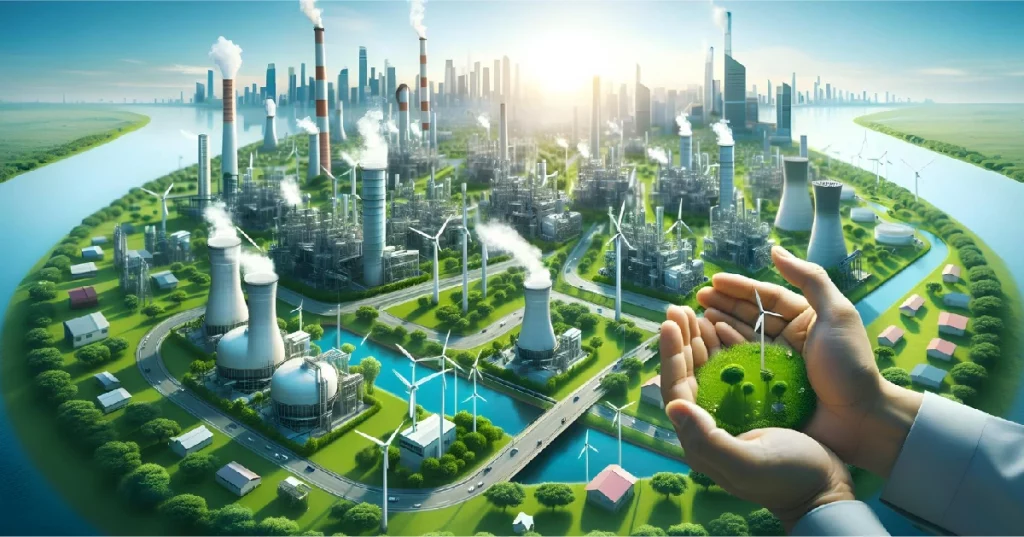
Malaysia’s industrial sector is evolving rapidly as businesses prioritize sustainability, resource efficiency, and environmental responsibility. From manufacturing and energy to chemicals, food processing, and infrastructure development, industries are increasingly adopting sustainable practices to balance economic growth with environmental protection.
Today, building a sustainable future across industries is no longer just a corporate objective — it has become a critical business necessity. Rising environmental regulations, increasing energy costs, water scarcity, and global sustainability commitments are driving industries toward greener and more efficient operations.
By integrating industrial sustainability solutions, advanced treatment technologies, and eco-friendly industrial practices, Malaysian industries are transforming the future of sustainable industrial development.
Why Sustainability Is Becoming Essential for Industries?
Industrial growth has historically depended on intensive use of natural resources such as water, energy, and raw materials. However, growing environmental concerns and climate-related challenges are pushing industries to rethink traditional operational models.
Some of the major drivers behind sustainability in manufacturing include:
- Increasing environmental regulations
- Rising operational and energy costs
- Water scarcity concerns
- Pressure to reduce carbon emissions
- Global ESG and sustainability goals
- Demand for responsible manufacturing practices
Industries that adopt sustainable systems are now gaining both operational and competitive advantages.
Sustainable Industrial Development in Malaysia
Malaysia is actively promoting sustainable industrial development through cleaner technologies, environmental management policies, and resource conservation initiatives.
Industries are increasingly investing in:
- Water recycling systems
- Energy-efficient operations
- Waste minimization technologies
- Green manufacturing infrastructure
- Advanced wastewater treatment systems
These efforts help industries reduce environmental impact while maintaining long-term operational efficiency.
Role of Green Technologies in Industries
Green technologies in industries are transforming how manufacturing facilities manage water, waste, energy, and emissions.
Some key sustainable technologies include:
-
Water Recycling and Reuse Systems
Advanced treatment systems allow industries to recover and reuse treated water, reducing freshwater dependence.
-
Energy-Efficient Equipment
Modern industrial systems are designed to reduce energy consumption while improving process performance.
-
Wastewater Treatment Technologies
Advanced membrane systems, biological treatment processes, and zero liquid discharge technologies help industries reduce pollution.
-
Smart Monitoring Systems
Digital monitoring and automation platforms improve resource management and operational efficiency.
These green technologies are becoming critical components of sustainable manufacturing strategies.
Eco-Friendly Industrial Practices Driving Change
Industries are adopting eco-friendly industrial practices to minimize environmental impact and improve sustainability performance.
Common sustainable practices include:
- Reducing industrial water consumption
- Recycling wastewater and process materials
- Minimizing chemical usage
- Improving waste segregation and recovery
- Reducing greenhouse gas emissions
- Optimizing energy usage through automation
These practices support long-term industrial resilience while improving environmental compliance.
Sustainability in Manufacturing and Industrial Operations
Sustainability in manufacturing now extends beyond environmental compliance. It also focuses on improving efficiency, reducing waste, and strengthening operational reliability.
Industries that implement sustainable systems often achieve:
- Reduced operational costs
- Improved energy efficiency
- Better water resource management
- Lower environmental liabilities
- Enhanced ESG performance
- Improved brand reputation
This shift is redefining the future of sustainable industries globally.
Water Management and Sustainable Industry Growth
Water is one of the most critical resources for industrial operations. Sustainable water management has therefore become a major priority across Malaysian industries.
Industries are increasingly adopting:
- Industrial water recycling systems
- Zero Liquid Discharge (ZLD) solutions
- Advanced wastewater treatment plants
- Membrane filtration technologies
- Rainwater harvesting systems
These solutions help industries reduce freshwater dependency while supporting long-term environmental sustainability.
The Future of Sustainable Industries
The future of sustainable industries will rely heavily on innovation, digitalization, and circular resource management.
Key trends shaping industrial sustainability include:
- AI-driven resource optimization
- Smart factories and automation
- Circular economy models
- Renewable energy integration
- Net-zero industrial strategies
- Advanced waste recovery technologies
Industries that invest early in sustainable infrastructure will be better positioned for long-term growth and resilience.
Ion Exchange Solutions for Sustainable Industrial Development
Ion Exchange supports industries with integrated sustainability solutions that improve water efficiency, reduce environmental impact, and enable sustainable operations.
Their solutions include:
- Industrial wastewater treatment systems
- Water recycling and reuse plants
- Zero Liquid Discharge systems
- Membrane-based treatment technologies
- Resource recovery solutions
- Integrated environmental management systems
By combining advanced technologies with sustainable engineering practices, Ion Exchange helps industries move toward greener and more efficient operations.
Conclusion
Building a sustainable future across industries requires more than environmental compliance — it demands long-term commitment to resource efficiency, innovation, and responsible industrial development.
As Malaysia continues advancing toward sustainable industrial growth, the adoption of green technologies in industries, eco-friendly industrial practices, and advanced sustainability solutions will play a vital role in shaping the future of sustainable industries.
Industries that prioritize sustainability today will be better prepared to meet tomorrow’s environmental, operational, and economic challenges.
FAQs
1. What is sustainable industrial development?
Sustainable industrial development focuses on balancing industrial growth with environmental protection, resource efficiency, and long-term sustainability.
2. Why are green technologies important in industries?
Green technologies help industries reduce pollution, conserve resources, improve efficiency, and support environmental compliance.
3. How do industries improve sustainability in manufacturing?
Industries improve sustainability through water recycling, energy-efficient systems, waste reduction, and eco-friendly operational practices.
4. What are some examples of eco-friendly industrial practices?
Examples include wastewater recycling, renewable energy use, reduced chemical consumption, and smart resource management systems.
5. How does Ion Exchange support sustainable industries?
Ion Exchange provides advanced water treatment, recycling, wastewater management, and resource recovery solutions for sustainable industrial operations.