
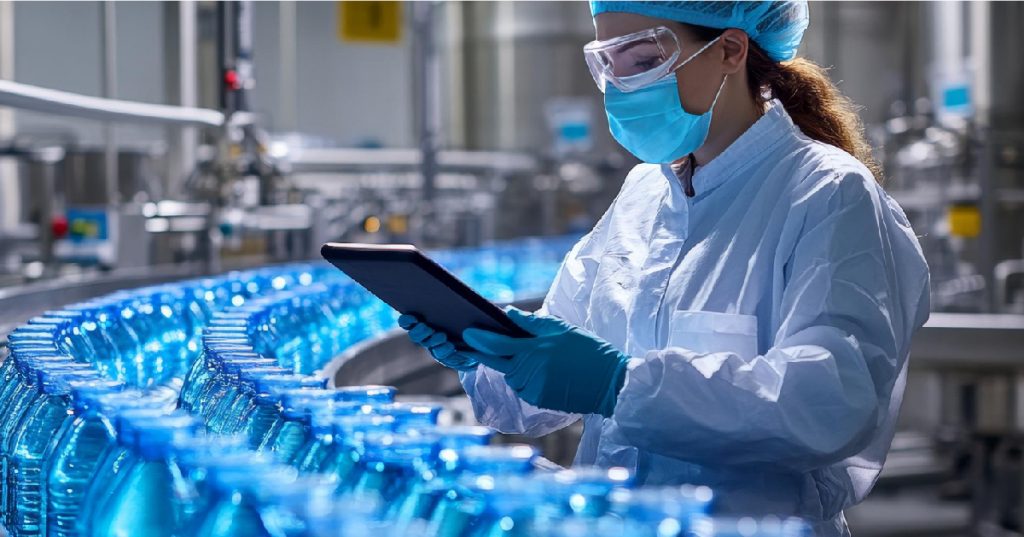
Water is the most widely used raw material in pharmaceutical manufacturing, especially for formulations, injectables, cleaning, and sterilization. In Malaysia’s fast-growing pharmaceutical and biopharma sectors, the pressure to meet stringent international standards has intensified — particularly for Water for Injection (WFI), one of the purest grades of water used in manufacturing.
Reliable, compliant, and high-purity water systems are therefore essential. Modern water treatment in pharmaceutical industry operations is being redesigned to ensure that every drop used in production meets global standards such as USP, EP, JP, PIC/S GMP, and Malaysia’s NPRA regulations.
Why High-Purity Water Matters in Pharma?
For injectables, vaccines, parenterals, and biopharmaceutical products, WFI purity is non-negotiable. Contaminated water can compromise product quality, cause batch failure, weaken patient safety, and lead to regulatory non-compliance.
This makes the design, validation, and maintenance of a water treatment plant in the pharmaceutical industry extremely important.
Pharmaceutical water systems must control:
- Microbial contamination
- Endotoxins
- Conductivity and TOC levels
- Organic and inorganic impurities
- Dissolved solids
- Particle load
Producing WFI requires precision, monitoring, and a deep understanding of global pharmacopeial standards.
Understanding Water Treatment in the Pharmaceutical Industry
Modern water treatment for pharmaceutical industry applications involves multistage treatment processes that transform raw water into Purified Water (PW), Highly Purified Water (HPW), or WFI. The system typically includes:
1. Pre-Treatment
Removes suspended solids, chlorine, hardness, and organic contaminants using:
- Multimedia filters
- Activated carbon filters
- Softening units
- Cartridge filtration
2. Primary Purification
Produces Purified Water through:
These processes eliminate dissolved ions, microorganisms, and organics.
3. WFI Production
Traditionally generated through distillation, but increasingly via membrane-based technologies approved by global pharmacopoeias.
Modern systems ensure low endotoxin levels and microbial control.
4. Storage & Distribution
Sanitary tanks and continuous recirculation at hot or ambient temperatures keep microbial growth under control while maintaining compliance.
Every stage must be meticulously validated and documented.
Waste Water Treatment in the Pharmaceutical Industry
Pharmaceutical plants generate wastewater containing solvents, APIs (Active Pharmaceutical Ingredients), chemical residues, and biological contamination. Proper wastewater treatment in the pharmaceutical industry is essential to meet Malaysia’s DOE (Department of Environment) discharge regulations.
Typical treatment stages include:
- Equalization and neutralisation
- Biological treatment (aerobic/anaerobic)
- Chemical oxidation
- Membrane treatment (UF/RO)
- Sludge handling and disposal
Modern systems prioritize recovery, reuse, and environmental sustainability — directly supporting Malaysia’s ESG commitments.
Malaysia’s Rising Demand for WFI-Ready Water Systems
Malaysia’s pharmaceutical landscape is evolving rapidly, driven by:
- Growth in generics and injectables
- Expansion of biopharma and vaccine manufacturing
- Increasing exports to regulated markets
- Government investment in healthcare and GMP compliance
- PIC/S membership requires strict validation and documentation
As a result, pharma companies need advanced water systems that assure microbial safety, high purity, and uninterrupted operations.
A fully compliant water treatment plant in the pharmaceutical industry helps ensure risk-free manufacturing and lower batch rejection rates.
Ion Exchange’s Expertise in Pharma-Grade Water Solutions
Ion Exchange has deep experience delivering high-purity water and wastewater systems for leading pharmaceutical manufacturers across Asia, including Malaysia.
Complete Effluent Treatment & Zero Liquid Discharge Solutions
Pollution and increased demand have made good quality water scarce and expensive, both in terms of direct cost and the effect of unsuitable water on plant economics and product quality. At the same time, disposal norms are getting tighter due to their environmental impact. Ion Exchange offers effluent treatment, recycle, zero liquid discharge solutions, and a wide range of multi-effect evaporator systems with a choice of metallurgy [SS 316L & SS 316 Ti] to address these problems and simultaneously generate substantial savings.
Our effluent treatment solutions are based on biological and advanced membrane treatment processes. To treat complex pharmaceutical effluents, we offer INDION Disc Tube Reverse Osmosis (DTRO) and INDION Multi-effect Evaporator (MEE) Systems.
We have more than ten working references for the MEE system.
- Biological System
- Disc Tube Reverse Osmosis (DTRO) System
- Multi-effect Evaporator
HYDRAMEM® Membranes
Ion Exchange’s HYDRAMEM® – High Performance Membranes are manufactured in India’s first integrated reverse osmosis membrane manufacturing facility in Goa. HYDRAMEM RO membranes are broadly offered in the following categories.
Water Treatment
- Low-Pressure RO Membranes
- Brackish Water RO Membranes
- Fouling-Resistant Membranes
- Sea Water RO Membranes
Speciality Membranes
- Enzyme concentration
- API/enzyme purification
- API concentration
- Fermentation broth clarification
- Whey concentration
- Dextrose clarification
Conclusion
As Malaysia scales up its pharmaceutical and bioprocessing capabilities, ensuring WFI-level purity through advanced water treatment in pharmaceutical industry systems is essential. Modern treatment technologies, strict monitoring, and compliant design guarantee safe, high-quality water for every stage of production.
Whether it’s Purified Water, WFI, or wastewater treatment in the pharmaceutical industry, reliable systems protect brands, ensure regulatory compliance, and maintain patient safety.
Connect with Ion Exchange experts today to build a compliant, efficient, and future-ready water treatment plant in the pharmaceutical industry for your Malaysian operations.